

The Profitability Challenge Facing Law Firms in 2026
Law firm profitability is under unprecedented pressure in 2026. Rising operational costs, increased competition, client pricing resistance, and talent retention challenges are combining to compress profit margins across the legal industry. Many firms that maintained healthy profitability for decades are now struggling to maintain margins at historical levels. This profitability crisis demands strategic responses from firm leadership to ensure long-term sustainability and competitiveness.
The causes of declining profitability are multifaceted and interconnected. Labor costs continue to rise as firms compete for experienced attorneys and staff. Technology investments, while necessary for competitiveness, require substantial capital expenditure. Client pressure to reduce billing rates and alternative fee arrangements limit revenue growth. Simultaneously, operational expenses — including rent, insurance, and compliance costs — continue climbing. Understanding these pressures and developing strategic responses is essential for firm survival and growth.
Key Factors Driving Margin Compression
Several structural factors are driving profitability challenges across the legal industry. First, talent acquisition and retention costs have escalated dramatically. Law schools are producing fewer graduates, creating talent shortages. Firms must offer competitive compensation packages to attract and retain qualified attorneys, directly impacting profitability. Additionally, the legal market has become increasingly competitive, with firms competing not only with each other but with alternative legal service providers and in-house legal departments.
Second, client behavior has fundamentally shifted. Sophisticated corporate clients increasingly demand alternative fee arrangements rather than traditional hourly billing. These arrangements — including fixed fees, contingency fees, and success-based fees — often reduce firm revenue compared to hourly billing. Additionally, clients are more price-sensitive than ever, pressuring firms to reduce rates or risk losing business to competitors.

Rising Operational Costs
Operational expenses have become a significant profitability challenge. Real estate costs in major legal markets remain elevated, consuming substantial portions of firm revenue. Technology infrastructure — including cybersecurity, practice management systems, and AI tools — requires ongoing investment. Compliance costs, particularly for firms with international operations, continue rising. Additionally, employee benefits, including health insurance and retirement plans, represent increasingly significant expenses.
Many firms have not adjusted their cost structures to reflect changing market conditions. Firms maintaining expensive office space in premium locations while client demand for remote work increases are particularly vulnerable. Rethinking real estate strategy — including downsizing offices or adopting hybrid work models — can significantly improve profitability.
Competitive Pressures and Market Dynamics
The legal market has become increasingly competitive, with multiple factors intensifying competitive pressures. Large firms continue consolidating through mergers, creating mega-firms with significant competitive advantages. These large firms can offer comprehensive services, geographic reach, and resources that smaller firms cannot match. Simultaneously, boutique firms are carving out market niches, competing on specialization and client service. Mid-size firms, caught between these competitors, face particular challenges.
Alternative legal service providers — including legal process outsourcing companies, legal tech startups, and in-house legal departments — are capturing work traditionally performed by law firms. This competition is particularly intense for routine legal work, which historically provided steady revenue for many firms.
Strategic Responses to Profitability Challenges
Successful firms are implementing strategic responses to address profitability challenges. These responses typically involve revenue optimization, cost management, and operational efficiency improvements. Revenue optimization strategies include implementing alternative fee arrangements strategically, focusing on higher-margin practice areas, and developing specialized expertise that commands premium rates.
Cost management requires honest assessment of firm expenses and willingness to make difficult decisions. This might include reducing office space, renegotiating vendor contracts, or restructuring compensation models. Operational efficiency improvements — including technology adoption, process automation, and workflow optimization — can significantly improve profitability without requiring revenue increases.

Technology Investment for Efficiency
Strategic technology investment can dramatically improve profitability by reducing time spent on routine tasks and improving attorney productivity. Practice management systems, document automation tools, legal research platforms, and AI-powered analysis tools can all contribute to efficiency gains. However, technology investment must be strategic — firms should invest in technologies that directly improve profitability or client service, not simply adopt technology for its own sake.
Many firms are discovering that AI tools can improve profitability by accelerating legal research, reducing document review time, and automating routine tasks. These efficiency gains allow firms to serve clients more cost-effectively while maintaining quality. The key is identifying technologies that address specific profitability challenges in your firm.
Practice Area Optimization
Evaluating profitability by practice area is essential for strategic decision-making. Some practice areas are inherently more profitable than others due to market demand, competitive dynamics, or service delivery models. Firms should focus resources on high-margin practice areas while considering whether to exit or restructure low-margin practices.
This analysis often reveals surprising insights. Some practice areas that generate substantial revenue may be unprofitable due to high service delivery costs. Conversely, smaller practice areas may be highly profitable due to specialized expertise and limited competition. Strategic reallocation of resources toward high-margin practices can significantly improve overall firm profitability.
Talent Management and Compensation Strategy
Talent costs represent the largest expense for most law firms, making compensation strategy critical for profitability. However, firms must balance cost management with the need to attract and retain qualified attorneys. Compensation models that align attorney incentives with firm profitability can improve overall firm performance.
Many firms are experimenting with alternative compensation models, including lockstep compensation systems that reward seniority, origination-based models that reward business development, and hybrid models combining multiple factors. The optimal compensation model varies by firm, but the key is ensuring that compensation aligns with firm profitability objectives.
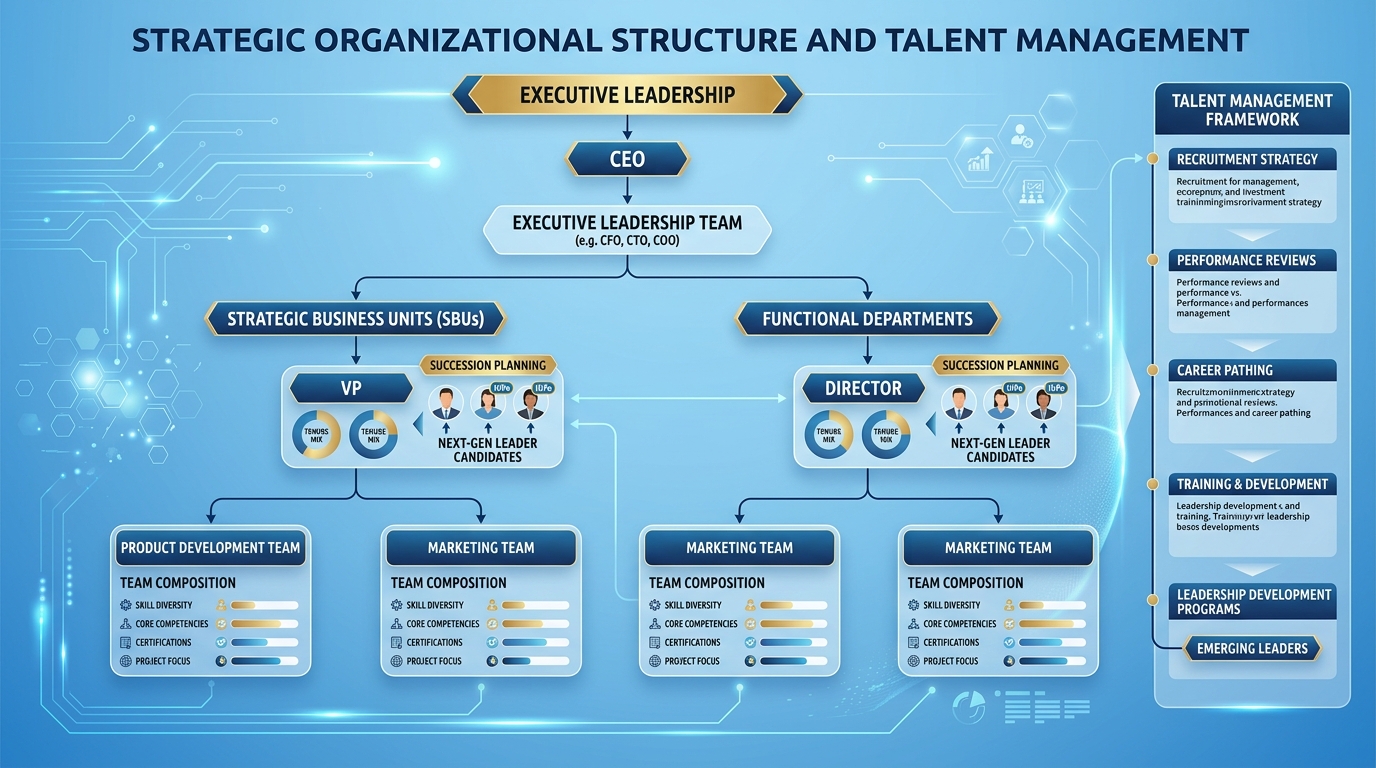
Succession Planning and Leverage Optimization
Many firms struggle with suboptimal leverage — the ratio of partners to associates. Firms with insufficient leverage have too many high-cost partners relative to lower-cost associates, reducing profitability. Conversely, firms with excessive leverage may struggle with associate retention and quality. Optimizing leverage through strategic hiring and succession planning can improve profitability.
Succession planning is also critical for long-term profitability. Firms must develop junior attorneys into future partners, ensuring continuity and growth. This requires investment in training and mentorship, but the long-term profitability benefits justify the investment.
Alternative Business Models and Diversification
Some firms are exploring alternative business models to improve profitability. These include legal process outsourcing, where firms handle routine legal work for other firms or corporations; alternative legal service provider models, where firms offer limited-scope services at reduced rates; and consulting services, where firms leverage their expertise to advise clients on legal and business issues.
Diversification can improve profitability by creating additional revenue streams and reducing dependence on traditional legal services. However, diversification also requires investment and carries execution risks. Firms should carefully evaluate alternative business models before committing significant resources.
Conclusion
Law firm profitability challenges are real and require strategic responses. Firms that successfully navigate this environment will combine revenue optimization, cost management, and operational efficiency improvements. Technology investment, practice area optimization, talent management, and alternative business models all play roles in improving profitability.
The firms that thrive in 2026 and beyond will be those that view profitability challenges as opportunities to rethink their business models and operations. By implementing strategic changes now, firms can position themselves for sustainable profitability and growth. For additional insights on market trends affecting law firms, explore the Market Analysis category on Legal Industry Roundup.
For information on practice management strategies that support profitability, review the Practice Management category for practical guidance on operational improvements.