

Understanding GDPR and Its Impact on US Law Firms
The General Data Protection Regulation (GDPR) represents one of the most significant regulatory frameworks affecting international business operations today. For US law firms handling client data from European Union residents or conducting business with EU-based entities, GDPR compliance is not optional — it is a legal requirement. The regulation, which came into full effect in May 2018, continues to evolve with updated guidance and enforcement actions in 2026. Understanding these requirements and implementing robust compliance measures has become essential for law firms of all sizes.
GDPR applies to any organization processing personal data of EU residents, regardless of where the organization is located. This extraterritorial reach means that US law firms collecting, storing, or processing personal information from EU clients or opposing parties must comply with GDPR standards. Failure to do so can result in substantial fines — up to 20 million euros or 4% of annual global revenue, whichever is higher — making compliance a critical business priority.
2026 Regulatory Updates and Enforcement Priorities
The regulatory landscape surrounding GDPR continues to shift in 2026. The European Data Protection Board (EDPB) has issued updated guidance on several critical compliance areas, including data transfer mechanisms, consent requirements, and processor obligations. Additionally, enforcement actions by national data protection authorities have intensified, with particular focus on organizations failing to implement adequate data protection measures or properly documenting their compliance efforts.
Recent enforcement trends indicate that regulators are prioritizing cases involving inadequate data security, unauthorized data transfers, and insufficient consent documentation. US law firms must stay informed about these developments to ensure their compliance programs remain current and effective. The 2026 updates emphasize the importance of proactive compliance measures rather than reactive responses to violations.
Key Compliance Areas for 2026
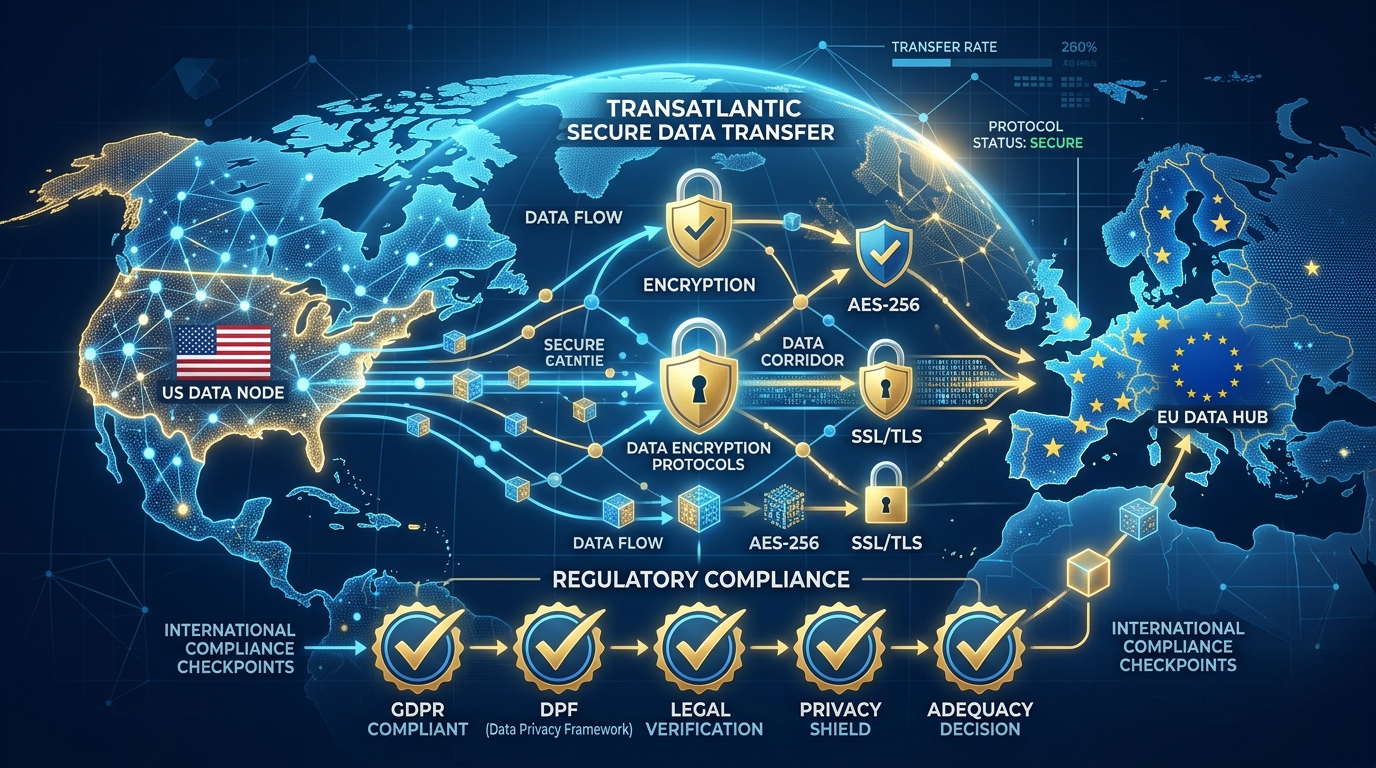
Several compliance areas require particular attention from US law firms in 2026. First, data transfer mechanisms have become increasingly scrutinized following the Schrems II decision. Firms must ensure they have adequate safeguards in place when transferring EU client data to the United States, such as Standard Contractual Clauses (SCCs) with supplementary measures or Binding Corporate Rules (BCRs).
Second, consent requirements have become more stringent. Organizations must obtain explicit, informed consent before processing personal data for specific purposes. Generic or pre-checked consent boxes are no longer acceptable. Third, processor obligations require law firms to ensure their service providers and vendors comply with GDPR standards through Data Processing Agreements (DPAs).
Implementing GDPR Compliance in Your Law Firm
Implementing comprehensive GDPR compliance requires a systematic approach addressing multiple organizational areas. The process begins with conducting a Data Protection Impact Assessment (DPIA) to identify how your firm collects, stores, and processes personal data. This assessment should map all data flows, identify potential risks, and document your compliance measures.
Next, establish clear data handling policies and procedures. Document your legal basis for processing personal data — whether it is consent, contractual necessity, legal obligation, or legitimate interest. Ensure all staff members understand these policies through regular training and awareness programs. GDPR compliance is not solely an IT department responsibility; it requires organizational-wide commitment.

Data Protection Officer and Accountability Measures
While US law firms are not required to appoint a Data Protection Officer (DPO), designating a compliance leader can strengthen your compliance program. This individual should oversee GDPR compliance efforts, serve as a point of contact for data protection inquiries, and ensure the firm maintains adequate documentation of compliance activities.
Accountability is central to GDPR compliance. Maintain detailed records of your compliance measures, including consent records, DPAs with vendors, security assessments, and training documentation. These records demonstrate to regulators that your firm takes data protection seriously and has implemented appropriate safeguards. In the event of an investigation, comprehensive documentation can significantly mitigate potential penalties.
Data Security and Breach Response
GDPR requires organizations to implement appropriate technical and organizational measures to protect personal data. For law firms, this includes encryption of sensitive client data, access controls limiting employee access to necessary information, regular security assessments, and incident response procedures. Cybersecurity is not optional — it is a fundamental GDPR requirement.
Establish a clear data breach response procedure. If your firm experiences a data breach affecting EU residents, you must notify the relevant data protection authority within 72 hours. Additionally, you must inform affected individuals without undue delay if the breach poses high risk to their rights and freedoms. Having a documented response plan ensures your firm can act quickly and appropriately during a security incident.

Practical Steps for US Law Firms
Begin your compliance journey by conducting an audit of your current data handling practices. Identify all systems storing personal data, document your data retention policies, and assess your current security measures. This baseline assessment reveals compliance gaps and prioritizes implementation efforts.
Next, update your privacy notices and client agreements to reflect GDPR requirements. Clearly explain what personal data you collect, why you collect it, how long you retain it, and what rights individuals have regarding their data. These notices must be written in clear, accessible language — legal jargon and vague language are not acceptable under GDPR.
Implement a data retention schedule specifying how long you retain different categories of personal data. GDPR requires that personal data be kept only as long as necessary for the purposes for which it was collected. Establish procedures for securely deleting or anonymizing data when retention periods expire. This practice reduces your compliance burden and minimizes potential harm from data breaches.
Vendor Management and Data Processing Agreements
Review all third-party vendors and service providers who access client data. Ensure each vendor has executed a Data Processing Agreement (DPA) outlining their GDPR obligations. Your firm remains responsible for vendors’ GDPR compliance, so conduct due diligence on their security practices and compliance certifications.
For cloud-based legal practice management systems, email providers, and document storage services, verify that vendors have implemented GDPR-compliant data transfer mechanisms. Many vendors now offer GDPR-compliant services with appropriate data processing agreements, making compliance more achievable.
Addressing Common GDPR Compliance Challenges
US law firms frequently encounter specific GDPR compliance challenges. One common issue involves international data transfers. If your firm transfers client data to the United States for processing, you must implement appropriate safeguards such as Standard Contractual Clauses with supplementary measures. This requirement has become more complex following regulatory developments, but solutions exist for firms willing to invest in compliance infrastructure.
Another challenge involves balancing GDPR requirements with attorney-client privilege and work product protections. GDPR grants individuals rights to access their personal data, but these rights may conflict with legal privilege protections. Develop procedures to handle such requests carefully, consulting with data protection experts when necessary to navigate these complex intersections.
Additionally, many firms struggle with consent management. GDPR requires explicit consent for marketing communications and certain data processing activities. Implement systems to track and document consent, and respect individual preferences regarding communication frequency and content.
Conclusion
GDPR compliance is not a one-time project but an ongoing commitment to data protection and privacy. US law firms handling EU client data must prioritize compliance to avoid substantial penalties and protect client trust. By understanding 2026 regulatory updates, implementing systematic compliance measures, and maintaining comprehensive documentation, your firm can navigate the complex GDPR landscape successfully.
The investment in GDPR compliance yields significant benefits beyond regulatory compliance. Clients increasingly expect their legal representatives to protect their personal data with the highest standards. Demonstrating robust compliance measures strengthens client relationships and differentiates your firm in a competitive market.
For additional guidance on GDPR compliance, consult the European Data Protection Board website for official guidance documents and enforcement decisions. Additionally, review resources from the Regulatory Changes category on Legal Industry Roundup for ongoing updates on compliance requirements affecting law firms.